
16mm LDPE Pipe for Drip Irrigation Systems.
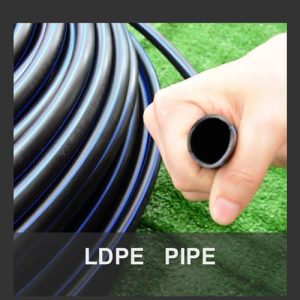
16mm LDPE Drip Irrigation Hose Pipe
Drip Irrigation System
drip irrigation packages in Bangladesh
16mm LDPE Pipe for Drip Irrigation Systems

Features and Benefits of 16mm LDPE Pipe:

Drip irrigation has revolutionized modern farming by offering an efficient, water-saving solution tailored to the precise needs of crops. At the heart of many drip irrigation setups lies the 16mm LDPE (Low-Density Polyethylene) pipe, a versatile and durable component essential for optimal water delivery. In this blog post, we will explore the key features and wide-ranging benefits of using 16mm LDPE pipes for drip irrigation — highlighting how they positively impact agriculture productivity and environmental sustainability.

What is 16mm LDPE Pipe?

The 16mm LDPE pipe is a flexible, lightweight tubing commonly used as the main distribution line or lateral line in drip irrigation systems. Made from low-density polyethylene, this pipe offers excellent resistance to UV rays, chemicals, and physical stress, making it highly durable for agricultural applications.

Key Features of 16mm LDPE Pipe for Drip Irrigation

1. Flexibility and Lightweight Design

The pipe’s flexibility allows easy installation over uneven terrain, contour farming, and varied crop layouts without requiring complex fittings. Its lightweight nature simplifies handling and transportation, reducing labor and installation time.

2. Durability and UV Resistance

16mm LDPE pipes are designed to withstand harsh outdoor conditions, including intense sunlight and temperature fluctuations. The UV resistance protects the pipe from cracking and brittleness, ensuring long-term reliability.

3. Chemical and Corrosion Resistance

Agricultural chemicals, fertilizers, and pesticides often flow through irrigation lines. LDPE material resists corrosion and chemical degradation, maintaining water purity and pipe integrity.

4. Precision Water Delivery Compatibility

The 16mm pipe is compatible with a range of drip emitters, connectors, and accessories, enabling precise water delivery directly to plant roots. This precision reduces water waste and promotes healthier plant growth.

5. Cost-Effective and Low Maintenance

Compared to rigid piping systems, 16mm LDPE pipes are cost-effective and require minimal maintenance. Their resistance to clogging and damage reduces repair costs and downtime.

Benefits of Using 16mm LDPE Pipe in Agriculture

1. Efficient Water Use and Conservation

Water scarcity is a growing concern worldwide. The 16mm LDPE pipe in drip irrigation delivers water slowly and precisely to crops, minimizing evaporation and runoff. This efficiency helps farmers save up to 50-70% of water compared to traditional irrigation methods.

2. Enhanced Crop Yields and Quality

By providing consistent moisture directly to plant roots, the system reduces plant stress and promotes better nutrient uptake. This leads to higher crop yields, improved fruit quality, and more uniform growth across fields.

3. Soil Health Preservation

Overwatering and surface runoff can cause soil erosion, nutrient leaching, and salinization. Drip irrigation with 16mm LDPE pipes maintains optimal soil moisture, preserving soil structure and fertility.

4. Energy Savings

Because drip irrigation operates under low pressure and requires less pumping power, energy consumption is lower. This reduces operational costs and the carbon footprint of farming activities.

5. Flexibility for Diverse Crops and Terrains

The adaptability of 16mm LDPE pipes makes them suitable for a wide variety of crops — from row crops and vegetables to orchards and vineyards. They are effective in flatlands, slopes, and greenhouses, supporting diverse agricultural practices.

Environmental Impact and Sustainability

1. Reduced Water Waste and Pollution

By limiting excess water application, drip irrigation reduces runoff that can carry fertilizers and pesticides into nearby water bodies, protecting aquatic ecosystems and reducing pollution.

2. Lower Carbon Footprint

Efficient water use and reduced energy demand contribute to lowering the overall greenhouse gas emissions associated with farming.

3. Promotion of Sustainable Farming

Using 16mm LDPE pipes in drip irrigation supports sustainable agriculture by conserving natural resources and improving farm resilience to drought and climate variability.

4. Long Lifespan and Recyclability

LDPE pipes have a long functional life, often exceeding 5-7 years with proper care. Additionally, LDPE is recyclable, which supports waste reduction initiatives when pipes are replaced.

Installation Tips for 16mm LDPE Pipe in Drip Irrigation

  • Plan your layout carefully to ensure even water distribution.
  • Use quality connectors and emitters compatible with 16mm pipes.
  • Protect pipes from sharp objects and rodents to prevent leaks.
  • Flush the system regularly to avoid clogging.
  • Store spare pipes in shaded, cool areas to maintain material integrity.

Conclusion

The 16mm LDPE pipe is a cornerstone of effective drip irrigation systems, offering unmatched flexibility, durability, and water efficiency. By integrating this technology, farmers can boost crop yields, conserve water, reduce costs, and contribute to environmental sustainability. Whether you are a small-scale gardener or a large-scale farmer, adopting 16mm LDPE pipe-based drip irrigation can transform your agricultural practices for a greener and more productive future.

If you’re ready to improve your irrigation system or want expert advice on 16mm LDPE pipes, contact us today!

Similar Posts

  • Soil Moisture Sensor

    Soil Moisture Sensor āĻŦāĻž āĻŽāĻžāϟāĻŋāϰ āφāĻ°ā§āĻĻā§āϰāϤāĻž āĻĒāϰāĻŋāĻŽāĻžāĻĒāĻ• āĻŽāĻžāϟāĻŋāϰ āφāĻ°ā§āĻĻā§āϰāϤāĻž āĻĒāϰāĻŋāĻŽāĻžāĻĒāĻ• (Soil Moisture Sensor) āĻšāϞ⧋ āĻāĻ•āϟāĻŋ āϝāĻ¨ā§āĻ¤ā§āϰ āϝāĻž āĻŽāĻžāϟāĻŋāϰ āĻ­āĻŋāϤāϰ⧇ āĻĒāĻžāύāĻŋ āĻŦāĻž āφāĻ°ā§āĻĻā§āϰāϤāĻžāϰ āĻĒāϰāĻŋāĻŽāĻžāĻŖ āύāĻŋāĻ°ā§āϪ⧟ āĻ•āϰāϤ⧇ āĻŦā§āϝāĻŦāĻšā§ƒāϤ āĻšā§ŸāĨ¤ āĻāϟāĻŋ āĻ•ā§ƒāώāĻŋ, āĻŦāĻžāĻ—āĻžāύ, āĻāĻŦāĻ‚ āφāϧ⧁āύāĻŋāĻ• āϏ⧇āϚ āĻŦā§āϝāĻŦāĻ¸ā§āĻĨāĻžā§Ÿ āĻ…āĻ¤ā§āϝāĻ¨ā§āϤ āϗ⧁āϰ⧁āĻ¤ā§āĻŦāĻĒā§‚āĻ°ā§āĻŖ āĻāĻ•āϟāĻŋ āĻĒā§āϰāϝ⧁āĻ•ā§āϤāĻŋāĨ¤ āĻŽāĻžāϟāĻŋāϰ āφāĻ°ā§āĻĻā§āϰāϤāĻž āĻĒāϰāĻŋāĻŽāĻžāĻĒāĻ• āϕ⧀āĻ­āĻžāĻŦ⧇ āĻ•āĻžāϜ āĻ•āϰ⧇? āĻŽāĻžāϟāĻŋ āϝāϤ āϭ⧇āϜāĻž āĻŦāĻž āĻļ⧁āĻ•āύ⧋ āĻšā§Ÿ, āϤāĻžāϰ āĻŦ⧈āĻĻā§āϝ⧁āϤāĻŋāĻ• āĻŦ⧈āĻļāĻŋāĻˇā§āĻŸā§āϝ (āϝ⧇āĻŽāύ āĻĒāϰāĻŋāĻŦāĻžāĻšāĻŋāϤāĻž āĻŦāĻž āĻ•ā§āϝāĻžāĻĒāĻžāϏāĻŋāĻŸā§āϝāĻžāĻ¨ā§āϏ) āϤāϤ āĻĒāϰāĻŋāĻŦāĻ°ā§āϤāĻŋāϤ āĻšā§ŸāĨ¤ āĻāχ āϏ⧇āĻ¨ā§āϏāϰ āϏ⧇āχ āĻĒāϰāĻŋāĻŦāĻ°ā§āϤāύ āύāĻŋāĻ°ā§āϪ⧟ āĻ•āϰ⧇ āĻŽāĻžāϟāĻŋāϰ āφāĻ°ā§āĻĻā§āϰāϤāĻžāϰ āĻ¸ā§āϤāϰ āĻŦ⧁āĻāϤ⧇ āϏāĻžāĻšāĻžāĻ¯ā§āϝ āĻ•āϰ⧇āĨ¤Â  Soil Moisture Sensor āĻŽāĻžāϟāĻŋāϰ āφāĻ°ā§āĻĻā§āϰāϤāĻž āĻĒāϰāĻŋāĻŽāĻžāĻĒāĻ• āϏāĻžāϧāĻžāϰāĻŖāϤ āĻĻ⧁āχ āϧāϰāύ⧇āϰ āĻšā§Ÿāσ āϰ⧇āϜāĻŋāĻ¸ā§āϟāĻŋāĻ­ āϏ⧇āĻ¨ā§āϏāϰ (Resistive Sensor) āĻ•ā§āϝāĻžāĻĒāĻžāϏāĻŋāϟāĻŋāĻ­ āϏ⧇āĻ¨ā§āϏāϰ (Capacitive Sensor) āϰ⧇āϜāĻŋāĻ¸ā§āϟāĻŋāĻ­ āϏ⧇āĻ¨ā§āϏāϰ āĻ•āĻŋāĻ­āĻžāĻŦ⧇ āĻ•āĻžāϜ āĻ•āϰ⧇? āĻŽā§‚āϞāϤāσ āĻāχ āϏ⧇āĻ¨ā§āϏāϰ⧇ āĻĻ⧁āχāϟāĻŋ āϧāĻžāϤāĻŦ āĻĒā§āϰ⧋āĻŦ (āϧāĻžāϤāĻŦ āĻĻāĻŖā§āĻĄ) āĻĨāĻžāϕ⧇ āϝāĻž āĻŽāĻžāϟāĻŋāϤ⧇ āĻĒā§āϰāĻŦ⧇āĻļ āĻ•āϰāĻžāύ⧋ āĻšā§ŸāĨ¤ āĻŽāĻžāϟāĻŋāϤ⧇ āϝāϤ āĻŦ⧇āĻļāĻŋ āĻĒāĻžāύāĻŋ āĻĨāĻžāĻ•āĻŦ⧇, āϤāϤ āĻŦ⧇āĻļāĻŋ āĻŦ⧈āĻĻā§āϝ⧁āϤāĻŋāĻ• āĻĒāϰāĻŋāĻŦāĻžāĻšāĻŋāϤāĻž (conductivity) āĻšāĻŦ⧇āĨ¤ āĻĢāϞ⧇ āĻŦ⧇āĻļāĻŋ āĻĒāĻžāύāĻŋ āĻŽāĻžāύ⧇ āĻŦ⧇āĻļāĻŋ…

  • Weather-Based Irrigation Controller

    Weather-Based Irrigation Controller (āφāĻŦāĻšāĻžāĻ“ā§ŸāĻž-āύāĻŋāĻ°ā§āĻ­āϰ āϏ⧇āϚ āύāĻŋ⧟āĻ¨ā§āĻ¤ā§āϰāĻŖāĻ•āĻžāϰ⧀) āĻāĻ•āϟāĻŋ āφāϧ⧁āύāĻŋāĻ• āĻ¸ā§āĻŽāĻžāĻ°ā§āϟ āϏ⧇āϚ āύāĻŋ⧟āĻ¨ā§āĻ¤ā§āϰāĻŖ āĻŦā§āϝāĻŦāĻ¸ā§āĻĨāĻž, āϝāĻž āφāĻŦāĻšāĻžāĻ“ā§ŸāĻžāϰ āϤāĻĨā§āϝ⧇āϰ āωāĻĒāϰ āĻ­āĻŋāĻ¤ā§āϤāĻŋ āĻ•āϰ⧇ āĻ¸ā§āĻŦ⧟āĻ‚āĻ•ā§āϰāĻŋ⧟āĻ­āĻžāĻŦ⧇ āϏ⧇āϚ (irrigation) āϚāĻžāϞ⧁ āĻŦāĻž āĻŦāĻ¨ā§āϧ āĻ•āϰ⧇āĨ¤ Weather-Based Irrigation Controller āϕ⧀āĻ­āĻžāĻŦ⧇ āĻ•āĻžāϜ āĻ•āϰ⧇? āĻāχ āĻ•āĻ¨ā§āĻŸā§āϰ⧋āϞāĻžāϰ āφāĻŦāĻšāĻžāĻ“ā§ŸāĻž āϏāĻŽā§āĻĒāĻ°ā§āĻ•āĻŋāϤ āϤāĻĨā§āϝ āĻŦāĻŋāĻļā§āϞ⧇āώāĻŖ āĻ•āϰ⧇ āϝ⧇āĻŽāύ: āĻŦ⧃āĻˇā§āϟāĻŋāĻĒāĻžāϤ āĻšā§Ÿā§‡āϛ⧇ āĻ•āĻŋ āύāĻž āĻŦāĻžāϤāĻžāϏ⧇āϰ āĻ—āϤāĻŋ āϤāĻžāĻĒāĻŽāĻžāĻ¤ā§āϰāĻž āφāĻ°ā§āĻĻā§āϰāϤāĻž āϏ⧂āĻ°ā§āϝāĻžāϞ⧋āϕ⧇āϰ āĻĒāϰāĻŋāĻŽāĻžāĻŖ āĻŽāĻžāϟāĻŋ āĻļ⧁āĻ•āĻŋā§Ÿā§‡ āϗ⧇āϛ⧇ āĻ•āĻŋ āύāĻž āĻāϗ⧁āϞ⧋ āĻŦā§āϝāĻŦāĻšāĻžāϰ āĻ•āϰ⧇ āϏ⧇āϚ āĻŦā§āϝāĻŦāĻ¸ā§āĻĨāĻžāϕ⧇ āĻāĻŽāύāĻ­āĻžāĻŦ⧇ āϚāĻžāϞāĻžā§Ÿ, āϝāĻžāϤ⧇ āĻĒāĻžāύāĻŋ āĻ…āĻĒāϚ⧟ āύāĻž āĻšā§Ÿ āĻāĻŦāĻ‚ āĻ—āĻžāĻ› āĻĒā§āĻ°ā§Ÿā§‹āϜāύ āĻ…āύ⧁āϝāĻžā§Ÿā§€ āĻĒāĻžāύāĻŋ āĻĒāĻžā§ŸāĨ¤ āĻāϟāĻŋ āϕ⧋āĻĨāĻž āĻĨ⧇āϕ⧇ āϤāĻĨā§āϝ āϏāĻ‚āĻ—ā§āϰāĻš āĻ•āϰ⧇? Weather-based irrigation controller āύāĻŋāĻšā§‡āϰ āϝ⧇āϕ⧋āύ⧋ āĻāĻ• āĻŦāĻž āĻāĻ•āĻžāϧāĻŋāĻ• āĻ‰ā§ŽāϏ āĻĨ⧇āϕ⧇ āϤāĻĨā§āϝ āĻ¨ā§‡ā§Ÿāσ āĻ¸ā§āĻĨāĻžāĻ¨ā§€ā§Ÿ āφāĻŦāĻšāĻžāĻ“ā§ŸāĻž āĻ¸ā§āĻŸā§‡āĻļāύ (Local Weather Station) āχāĻ¨ā§āϟāĻžāϰāύ⧇āϟāĻ­āĻŋāĻ¤ā§āϤāĻŋāĻ• āφāĻŦāĻšāĻžāĻ“ā§ŸāĻž āĻĄā§‡āϟāĻž (Internet-based Weather APIs) āύāĻŋāϜāĻ¸ā§āĻŦ āϏ⧇āĻ¨ā§āϏāϰ āϏāĻŋāĻ¸ā§āĻŸā§‡āĻŽ (On-site Sensors)– āĻŦ⧃āĻˇā§āϟāĻŋ āϏ⧇āĻ¨ā§āϏāĻ°â€“ āϤāĻžāĻĒāĻŽāĻžāĻ¤ā§āϰāĻž āϏ⧇āĻ¨ā§āϏāĻ°â€“ Soil Moisture Sensor āĻ•āĻŋāĻ­āĻžāĻŦ⧇ āĻāϟāĻŋ āĻ•āĻžāϜ āĻ•āϰ⧇? (āϏāĻ‚āĻ•ā§āώāĻŋāĻĒā§āϤ āϧāĻžāĻĒ) āφāĻŦāĻšāĻžāĻ“ā§ŸāĻž āĻĄā§‡āϟāĻž āĻŦāĻŋāĻļā§āϞ⧇āώāĻŖ āĻ•āϰ⧇ (āϝ⧇āĻŽāύ:…

  • āϤāĻžāĻĒāĻŽāĻžāĻ¤ā§āϰāĻž āύāĻŋ⧟āĻ¨ā§āĻ¤ā§āϰāύ⧇ āĻāϰāĻŖāĻžāϰ āĻŦā§āϝāĻŦāĻšāĻžāϰ

    āϤāĻžāĻĒāĻŽāĻžāĻ¤ā§āϰāĻž āύāĻŋ⧟āĻ¨ā§āĻ¤ā§āϰāύ⧇ āĻāϰāĻŖāĻžāϰ āĻŦā§āϝāĻŦāĻšāĻžāϰ āĻŦāĻžāĻ‚āϞāĻžāĻĻ⧇āĻļ⧇ āĻ—āϰāĻŽā§‡āϰ āϤ⧀āĻŦā§āϰāϤāĻž āĻĻāĻŋāύ āĻĻāĻŋāύ āĻŦāĻžā§œāϛ⧇, āϝāĻž āĻĒāĻļ⧁-āĻĒāĻžāĻ–āĻŋāϰ āĻ–āĻžāĻŽāĻžāϰāϗ⧁āϞ⧋āϰ āĻ‰ā§ŽāĻĒāĻžāĻĻāύāĻļā§€āϞāϤāĻž āĻ“ āĻ¸ā§āĻŦāĻžāĻ¸ā§āĻĨā§āϝāĻā§āρāĻ•āĻŋāϕ⧇ āĻšā§āĻŽāĻ•āĻŋāϰ āĻŽā§āϖ⧇ āĻĢ⧇āϞāϛ⧇āĨ¤ āĻŦāĻŋāĻļ⧇āώ āĻ•āϰ⧇ āĻ—ā§āϰ⧀āĻˇā§āĻŽāĻ•āĻžāϞ⧀āύ āϤāĻžāĻĒāĻĻāĻžāĻšā§‡ āĻ—āϰ⧁, āĻ›āĻžāĻ—āϞ, āĻšāĻžāρāϏ-āĻŽā§āϰāĻ—āĻŋ, āĻ•ā§‹ā§Ÿā§‡āϞ āĻŦāĻž āĻ•āĻŦ⧁āϤāϰ⧇āϰ āĻ–āĻžāĻŽāĻžāϰ⧇ āϤāĻžāĻĒāĻŽāĻžāĻ¤ā§āϰāĻž āĻ…āύ⧇āĻ• āĻŦā§‡ā§œā§‡ āϝāĻžā§ŸāĨ¤ āĻ āĻ…āĻŦāĻ¸ā§āĻĨāĻžā§Ÿ āĻŽāĻžāχāĻ•ā§āϰ⧋ āĻ¸ā§āĻĒā§āϰāĻŋāĻ‚āĻ•āϞāĻžāϰ āĻŦāĻž āϕ⧁āϞāĻŋāĻ‚ āĻāĻ°ā§āĻŖāĻž āĻŦā§āϝāĻŦāĻšāĻžāϰ āĻāĻ•āϟāĻŋ āĻ•āĻžāĻ°ā§āϝāĻ•āϰ⧀ āϏāĻŽāĻžāϧāĻžāύ āĻšāĻŋāϏ⧇āĻŦ⧇ āĻŦāĻŋāĻŦ⧇āϚāĻŋāϤ āĻšāĻšā§āϛ⧇āĨ¤ āϤāĻžāĻĒāĻŽāĻžāĻ¤ā§āϰāĻž āύāĻŋ⧟āĻ¨ā§āĻ¤ā§āϰāύ⧇ āĻāϰāĻŖāĻžāϰ āĻŦā§āϝāĻŦāĻšāĻžāϰ āĻŽāĻžāχāĻ•ā§āϰ⧋ āĻ¸ā§āĻĒā§āϰāĻŋāĻ‚āĻ•āϞāĻžāϰ āĻŦāĻž āϕ⧁āϞāĻŋāĻ‚ āĻāĻ°ā§āĻŖāĻž āϕ⧀? āĻŽāĻžāχāĻ•ā§āϰ⧋ āĻ¸ā§āĻĒā§āϰāĻŋāĻ‚āĻ•āϞāĻžāϰ āĻāĻ•āϟāĻŋ āĻ•ā§āώ⧁āĻĻā§āϰāĻžāĻ•ā§ƒāϤāĻŋāϰ āĻĒāĻžāύāĻŋāϰ āĻ›āĻŋāϟāĻžāύ⧋ āϝāĻ¨ā§āĻ¤ā§āϰ, āϝāĻž āύāĻŋāĻ°ā§āĻĻāĻŋāĻˇā§āϟ āĻĒāϰāĻŋāĻŽāĻžāĻŖ āĻĒāĻžāύāĻŋāϕ⧇ āĻŽāĻŋāĻšāĻŋ āĻ•āĻŖāĻžā§Ÿ āĻ›ā§œāĻŋā§Ÿā§‡ āĻĻā§‡ā§ŸāĨ¤ āĻāϟāĻŋ āϕ⧁āϞāĻŋāĻ‚ āĻāĻ°ā§āĻŖāĻž āĻšāĻŋāϏ⧇āĻŦ⧇āĻ“ āĻĒāϰāĻŋāϚāĻŋāϤ, āĻ•āĻžāϰāĻŖ āĻāϟāĻŋ āφāĻļāĻĒāĻžāĻļ⧇āϰ āĻĒāϰāĻŋāĻŦ⧇āĻļ⧇āϰ āϤāĻžāĻĒāĻŽāĻžāĻ¤ā§āϰāĻž āĻĻā§āϰ⧁āϤ āĻ•āĻŽāĻŋā§Ÿā§‡ āĻĻā§‡ā§ŸāĨ¤ āĻĒāĻļ⧁-āĻĒāĻžāĻ–āĻŋāϰ āĻ–āĻžāĻŽāĻžāϰ⧇ āĻāϟāĻŋ āĻ›āĻžāĻĻ⧇āϰ āύāĻŋāĻšā§‡ āĻŦāĻž āĻ–āĻžāĻŽāĻžāϰ⧇āϰ āϏ⧀āĻŽāĻžāύāĻžā§Ÿ āĻŦāϏāĻžāύ⧋ āĻšā§ŸāĨ¤ āĻ–āĻžāĻŽāĻžāϰ⧇āϰ āϕ⧁āϞāĻŋāĻ‚ āĻāĻ°ā§āĻŖāĻž āĻŽā§āϰāĻ—ā§€ āĻ–āĻžāĻŽāĻžāϰ⧇āϰ āϕ⧁āϞāĻŋāĻ‚ āĻāĻ°ā§āĻŖāĻž āĻ–āĻžāĻŽāĻžāϰ⧇āϰ āϕ⧁āϞāĻŋāĻ‚ āĻāĻ°ā§āĻŖāĻž āϤāĻžāĻĒāĻŽāĻžāĻ¤ā§āϰāĻž āύāĻŋ⧟āĻ¨ā§āĻ¤ā§āϰāύ⧇ āĻāϰāĻŖāĻžāϰ āĻŦā§āϝāĻŦāĻšāĻžāϰ āĻ–āĻžāĻŽāĻžāϰ⧇ āĻŽāĻžāχāĻ•ā§āϰ⧋ āĻ¸ā§āĻĒā§āϰāĻŋāĻ‚āĻ•āϞāĻžāϰ āĻŦā§āϝāĻŦāĻšāĻžāϰ⧇āϰ āωāĻĒāĻ•āĻžāϰāĻŋāϤāĻž āϤāĻžāĻĒāĻŽāĻžāĻ¤ā§āϰāĻž āĻšā§āϰāĻžāϏ āĻ•āϰ⧇ āĻĒāĻļ⧁-āĻĒāĻžāĻ–āĻŋāϰ āĻ¸ā§āĻŦāĻ¸ā§āϤāĻŋāĻ•āϰ āĻĒāϰāĻŋāĻŦ⧇āĻļ āϤ⧈āϰāĻŋ āĻ•āϰ⧇āĨ¤ āĻšāĻŋāϟ āĻ¸ā§āĻŸā§āϰ⧋āĻ•…

  • āφāϧ⧁āύāĻŋāĻ• āϏ⧇āϚ āĻŦā§āϝāĻŦāĻ¸ā§āĻĨāĻžāϰ āĻ…āĻ°ā§āĻĨāύ⧈āϤāĻŋāĻ• āĻĒā§āϰāĻ­āĻžāĻŦ

    āĻŦāĻžāĻ‚āϞāĻžāĻĻ⧇āĻļ⧇āϰ āĻ•ā§ƒāώāĻŋ āĻ–āĻžāϤ āĻĻ⧇āĻļ⧇āϰ āĻ…āĻ°ā§āĻĨāύ⧀āϤāĻŋāϰ āĻ…āĻ¨ā§āϝāϤāĻŽ āĻĒā§āϰāϧāĻžāύ āĻ­āĻŋāĻ¤ā§āϤāĻŋāĨ¤ āĻāχ āĻ–āĻžāϤ⧇ āφāϧ⧁āύāĻŋāĻ• āϏ⧇āϚ āĻŦā§āϝāĻŦāĻ¸ā§āĻĨāĻžāϰ āĻĒā§āϰāĻŦāĻ°ā§āϤāύ āĻ•ā§ƒāώāĻŋāϰ āĻ‰ā§ŽāĻĒāĻžāĻĻāύāĻļā§€āϞāϤāĻž, āĻ•ā§ƒāώāϕ⧇āϰ āĻ†ā§Ÿ āĻāĻŦāĻ‚ āϜāĻžāĻ¤ā§€ā§Ÿ āĻ…āĻ°ā§āĻĨāύ⧀āϤāĻŋāϤ⧇ āĻŦāĻŋāĻ¸ā§āϤ⧃āϤ āĻĒā§āϰāĻ­āĻžāĻŦ āĻĢ⧇āϞāϛ⧇āĨ¤ āφāϗ⧇ āϝ⧇āĻ–āĻžāύ⧇ āĻ•ā§ƒāώāĻŋ āĻ›āĻŋāϞ āĻ‹āϤ⧁ āĻ“ āĻŦ⧃āĻˇā§āϟāĻŋāύāĻŋāĻ°ā§āĻ­āϰ, āĻāĻ–āύ āϏ⧇āĻ–āĻžāĻ¨ā§‡Â  āĻĄā§āϰāĻŋāĻĒ, āĻ¸ā§āĻĒā§āϰāĻŋāĻ‚āĻ•āϞāĻžāϰ āĻ“ āĻ¸ā§āĻŽāĻžāĻ°ā§āϟ āϏ⧇āϚ āĻĒā§āϰāϝ⧁āĻ•ā§āϤāĻŋ smart irrigation in agriculture āĻāύ⧇ āĻĻāĻŋā§Ÿā§‡āϛ⧇ āĻĻāĻ•ā§āώāϤāĻž, āϏāĻŽā§Ÿ āϏāĻžāĻļā§āϰ⧟ āĻāĻŦāĻ‚ āĻ…āϧāĻŋāĻ• āĻĢāϏāϞ āĻ‰ā§ŽāĻĒāĻžāĻĻāύ⧇āϰ āϏ⧁āϝ⧋āĻ—āĨ¤Â  āĻāχ āĻŦā§āϞāĻ— āĻĒā§‹āĻ¸ā§āĻŸā§‡ āφāϞ⧋āϚāύāĻž āĻ•āϰāĻž āĻšāĻŦ⧇ āφāϧ⧁āύāĻŋāĻ• āϏ⧇āϚ āĻŦā§āϝāĻŦāĻ¸ā§āĻĨāĻžāϰ āĻ…āĻ°ā§āĻĨāύ⧈āϤāĻŋāĻ• āĻĒā§āϰāĻ­āĻžāĻŦ, āĻŦāĻžāĻ‚āϞāĻžāĻĻ⧇āĻļ⧇āϰ āĻ•ā§ƒāώāĻŋ āĻ–āĻžāϤ⧇ āφāϧ⧁āύāĻŋāĻ• āϏ⧇āϚ āĻĒā§āϰāϝ⧁āĻ•ā§āϤāĻŋāϰ āφāĻ°ā§āĻĨ-āϏāĻžāĻŽāĻžāϜāĻŋāĻ• āĻĒā§āϰāĻ­āĻžāĻŦ sustainable farming in Bangladesh, āĻ•āĻ°ā§āĻŽāϏāĻ‚āĻ¸ā§āĻĨāĻžāύ, āĻ‰ā§ŽāĻĒāĻžāĻĻāύ āĻŦ⧃āĻĻā§āϧāĻŋ, āĻĒāϰāĻŋāĻŦ⧇āĻļ āϏāĻ‚āϰāĻ•ā§āώāĻŖ āĻāĻŦāĻ‚ āϰāĻĒā§āϤāĻžāύāĻŋ āϏāĻ•ā§āώāĻŽāϤāĻžāϰ āĻĻāĻŋāĻ•āϗ⧁āϞ⧋āĨ¤ 🔍 āφāϧ⧁āύāĻŋāĻ• āϏ⧇āϚ āĻŦā§āϝāĻŦāĻ¸ā§āĻĨāĻž āϕ⧀? āφāϧ⧁āύāĻŋāĻ• āϏ⧇āϚ āĻŦāϞāϤ⧇ āĻŦā§‹āĻāĻžā§Ÿ āĻāĻŽāύ āϏ⧇āϚ āĻĒāĻĻā§āϧāϤāĻŋ āϝ⧇āĻ–āĻžāύ⧇ āĻĒāĻžāύāĻŋāϰ āĻ…āĻĒāϚ⧟ āĻ•āĻŽ, āĻĒāĻžāύāĻŋ āύāĻŋāĻ°ā§āĻĻāĻŋāĻˇā§āϟāĻ­āĻžāĻŦ⧇ āĻ—āĻžāϛ⧇āϰ āĻļāĻŋāĻ•ā§œā§‡ āĻĒ⧌āρāϛ⧇, āĻāĻŦāĻ‚ āĻ…āĻŸā§‹āĻŽā§‡āĻļāύ āĻŦā§āϝāĻŦāĻ¸ā§āĻĨāĻžāϰ āĻŽāĻžāĻ§ā§āϝāĻŽā§‡ āύāĻŋ⧟āĻ¨ā§āĻ¤ā§āϰāĻŖ āĻ•āϰāĻž āϝāĻžā§ŸāĨ¤ āĻ•ā§ƒāώāĻŋ āĻ“ āĻĒāϰāĻŋāĻŦ⧇āĻļ āĻŦāĻžāĻ¨ā§āϧāĻŦ āĻĒā§āϰāϝ⧁āĻ•ā§āϤāĻŋ āϝ⧇āĻŽāύ: āĻĄā§āϰāĻŋāĻĒ āχāϰāĻŋāϗ⧇āĻļāύ (āĻĢā§‹āρāϟāĻž āĻĢā§‹āρāϟāĻž āĻĒāĻžāύāĻŋ) – drip irrigation…

  • ā§§ā§Ŧ āĻŽāĻŋāĻŽāĻŋ āĻāϞāĻĄāĻŋāĻĒāĻŋāχ āĻĒāĻžāχāĻĒ⧇āϰ āĻŦ⧈āĻļāĻŋāĻˇā§āĻŸā§āϝ āĻ“ āϏ⧁āĻŦāĻŋāϧāĻž

    āĻĄā§āϰāĻŋāĻĒ āχāϰāĻŋāϗ⧇āĻļāύ āφāϜāϕ⧇āϰ āφāϧ⧁āύāĻŋāĻ• āĻ•ā§ƒāώāĻŋāϤ⧇ āĻāĻ• āĻŦāĻŋāϰāĻžāϟ āĻŦāĻŋāĻĒā§āϞāĻŦāĨ¤ āĻāϟāĻŋ āϏāĻ āĻŋāĻ• āĻĒāϰāĻŋāĻŽāĻžāϪ⧇ āĻĒāĻžāύāĻŋ āϏāϰāĻŦāϰāĻžāĻš āĻ•āϰ⧇ āĻĒāĻžāύāĻŋāϰ āĻ…āĻĒāϚāϝāĻŧ āĻ•āĻŽāĻžāϝāĻŧ āĻāĻŦāĻ‚ āĻĢāϏāϞ⧇āϰ āĻ‰ā§ŽāĻĒāĻžāĻĻāύ āĻŦāĻžāĻĄāĻŧāĻžāϝāĻŧāĨ¤ āĻāχ āϏāĻŋāĻ¸ā§āĻŸā§‡āĻŽā§‡āϰ āĻŽā§‚āϞ āωāĻĒāĻžāĻĻāĻžāύ⧇āϰ āĻŽāĻ§ā§āϝ⧇ āĻ…āĻ¨ā§āϝāϤāĻŽ āĻšāϞ ā§§ā§Ŧ āĻŽāĻŋāĻŽāĻŋ āĻāϞāĻĄāĻŋāĻĒāĻŋāχ (Low-Density Polyethylene) āĻĒāĻžāχāĻĒāĨ¤ āĻāχ āĻĒāĻžāχāĻĒāϟāĻŋ āĻ•ā§ƒāώāĻŋāϤ⧇ āĻŦā§āϝāĻŦāĻšāĻžāϰ⧇āϰ āϜāĻ¨ā§āϝ āĻ…āĻ¤ā§āϝāĻ¨ā§āϤ āωāĻĒāϝ⧋āĻ—ā§€, āĻ•āĻžāϰāĻŖ āĻāϟāĻŋ āύāĻŽāύ⧀āϝāĻŧ, āĻŸā§‡āĻ•āϏāχ āĻāĻŦāĻ‚ āĻĒāϰāĻŋāĻŦ⧇āĻļāĻŦāĻžāĻ¨ā§āϧāĻŦāĨ¤ āĻāχ āĻŦā§āϞāϗ⧇ āφāĻŽāϰāĻž ā§§ā§Ŧ āĻŽāĻŋāĻŽāĻŋ āĻāϞāĻĄāĻŋāĻĒāĻŋāχ āĻĒāĻžāχāĻĒ⧇āϰ āϗ⧁āϰ⧁āĻ¤ā§āĻŦāĻĒā§‚āĻ°ā§āĻŖ āĻŦ⧈āĻļāĻŋāĻˇā§āĻŸā§āϝ āĻ“ āĻ•ā§ƒāώāĻŋ āĻ“ āĻĒāϰāĻŋāĻŦ⧇āĻļāĻ—āϤ āĻĻāĻŋāĻ• āĻĨ⧇āϕ⧇ āĻāϰ āĻ…āĻ—āĻŖāĻŋāϤ āϏ⧁āĻŦāĻŋāϧāĻž āύāĻŋāϝāĻŧ⧇ āĻŦāĻŋāĻ¸ā§āϤāĻžāϰāĻŋāϤ āφāϞ⧋āϚāύāĻž āĻ•āϰāĻŦāĨ¤ ā§§ā§Ŧ āĻŽāĻŋāĻŽāĻŋ āĻāϞāĻĄāĻŋāĻĒāĻŋāχ āĻĒāĻžāχāĻĒ āϕ⧀? ā§§ā§Ŧ āĻŽāĻŋāĻŽāĻŋ āĻāϞāĻĄāĻŋāĻĒāĻŋāχ āĻĒāĻžāχāĻĒ āĻšāϞ⧋ āĻĄā§āϰāĻŋāĻĒ āχāϰāĻŋāϗ⧇āĻļāύ āϏāĻŋāĻ¸ā§āĻŸā§‡āĻŽā§‡āϰ āĻāĻ•āϟāĻŋ āĻĒā§āϰāϧāĻžāύ āωāĻĒāĻžāĻĻāĻžāύāĨ¤ āĻāϟāĻŋ āύāĻŋāĻŽā§āύ āϘāύāĻ¤ā§āĻŦ⧇āϰ āĻĒāϞāĻŋāĻĨāĻŋāύ āĻĨ⧇āϕ⧇ āϤ⧈āϰāĻŋ, āϝāĻž āϖ⧁āĻŦāχ āύāĻŽāύ⧀āϝāĻŧ, āĻšāĻžāϞāĻ•āĻž āĻ“ āĻŸā§‡āĻ•āϏāχāĨ¤ āĻŽā§‚āϞāϤ āĻāϟāĻŋ āϏāĻ āĻŋāĻ•āĻ­āĻžāĻŦ⧇ āĻĒāĻžāύāĻŋ āϏāϰāĻŦāϰāĻžāĻšā§‡āϰ āϜāĻ¨ā§āϝ āĻŦā§āϝāĻŦāĻšā§ƒāϤ āĻšāϝāĻŧ, āϝ⧇āĻ–āĻžāύ⧇ āĻĒāĻžāύāĻŋ āϏāϰāĻžāϏāϰāĻŋ āĻĢāϏāϞ⧇āϰ āĻļāĻŋāĻ•āĻĄāĻŧ⧇ āĻĒ⧌āρāĻ›āĻžāύ⧋ āĻšāϝāĻŧāĨ¤ ā§§ā§Ŧ āĻŽāĻŋāĻŽāĻŋ āĻāϞāĻĄāĻŋāĻĒāĻŋāχ āĻĒāĻžāχāĻĒ⧇āϰ āĻĒā§āϰāϧāĻžāύ āĻŦ⧈āĻļāĻŋāĻˇā§āĻŸā§āϝ ā§§. āύāĻŽāύ⧀āϝāĻŧ āĻ“ āĻšāĻžāϞāĻ•āĻž āĻ“āϜāύ āĻĒāĻžāχāĻĒāϟāĻŋ āϖ⧁āĻŦ…

  • SPRINKLER IRRIGATION SYSTEM

    āĻ¸ā§āĻĒā§āϰāĻŋāĻ‚āϞāĻžāϰ āχāϰāĻŋāϗ⧇āĻļāĻžāύ āϏāĻŋāĻˇā§āĻŸā§‡āĻŽ āĻ•ā§ƒāώāĻŋ āϜāĻŽāĻŋ āĻŦāĻž āĻŦāĻžāĻ—āĻžāύ⧇ āĻĒāĻžāύāĻŋ āϏ⧇āϚ āĻĻ⧇āĻ“ā§ŸāĻžāϰ āĻāĻ•āϟāĻŋ āφāϧ⧁āύāĻŋāĻ• āĻĒāĻĻā§āϧāϤāĻŋāĨ¤ āĻ āĻĒāĻĻā§āϧāϤāĻŋāϤ⧇ āϜāĻŽāĻŋ āĻŦāĻž āĻŦāĻžāĻ—āĻžāύ⧇ āĻĒā§āϰāĻžāĻ•ā§ƒāϤāĻŋāĻ• āĻŦ⧃āĻˇā§āϟāĻŋāϰ āĻŽāϤ⧋ āĻĒāĻžāύāĻŋ āĻ›āĻŋāϟāĻŋā§Ÿā§‡ āϏ⧇āϚ āĻĻ⧇āĻ“ā§ŸāĻž āĻšā§ŸāĨ¤ āĻŦ⧈āĻĻā§āϝ⧁āϤāĻŋāĻ•/ āĻĄāĻŋāĻœā§‡āϞ/ āϏ⧋āϞāĻžāϰ āϚāĻžāϞāĻŋāϤ āĻĒāĻžāύāĻŋāϰ āĻĒāĻžāĻŽā§āĻĒ⧇āϰ āϏāĻžāĻšāĻžāĻ¯ā§āϝ⧇ āĻĒāĻžāχāĻĒ āϞāĻžāχāύ⧇āϰ āĻŽāĻžāĻ§ā§āϝāĻŽā§‡ āĻāĻ•āϟāĻŋ āύāĻŋāĻ°ā§āĻĻāĻŋāĻˇā§āϟ āĻĒā§āϰ⧇āĻļāĻžāϰ⧇ āĻĒāĻžāύāĻŋ āĻĒā§āϰāĻŦāĻžāĻšāĻŋāϤ āĻ•āϰāĻž āĻšāϞ⧇ āĻ¸ā§āĻĒā§āϰāĻŋāĻ‚āϞāĻžāϰ āĻšā§‡āĻĄ āĻĒāĻžāύāĻŋāϰ āĻĒā§āϰ⧇āĻļāĻžāϰ⧇ āϘ⧁āϰāϤ⧇ āĻĨāĻžāϕ⧇ āĻāĻŦāĻ‚ āĻ•ā§āώ⧁āĻĻā§āϰāĻžāĻ•āĻžāϰ āĻĢā§‹āϟāĻžā§Ÿ āĻŦ⧃āĻˇā§āϟāĻŋāϰ āĻŽāϤ⧋ āĻĒāĻžāύāĻŋ āĻ›āĻŋāϟāĻŋā§Ÿā§‡ āϏ⧇āϚ āĻĻāĻŋā§Ÿā§‡ āĻĨāĻžāϕ⧇āĨ¤ āĻĒāĻžāύāĻŋāϰ āĻĒāĻžāĻŽā§āĻĒ, āĻĒāĻžāχāĻĒāĻŋāĻ‚ āϏāĻŋāĻˇā§āĻŸā§‡āĻŽ āĻ“ āĻ¸ā§āĻĒā§āϰāĻŋāĻ‚āϞāĻžāϰ⧇āϰ āĻ…āĻŦāĻ¸ā§āĻĨāĻžāύ āĻāĻŽāύāĻ­āĻžāĻŦ⧇ āĻĄāĻŋāϜāĻžāχāύ āĻ•āϰāϤ⧇ āĻšā§Ÿ āϝ⧇āύ āϏ⧇āĻšā§‡āϰ āĻĒāĻžāύāĻŋ āϜāĻŽāĻŋ āĻŦāĻž āĻŦāĻžāĻ—āĻžāύ⧇āϰ āϏāĻ•āϞ āĻ—āĻžāϛ⧇ āϏāĻŽāĻžāύāĻ­āĻžāĻŦ⧇ āĻĒ⧌āρāϛ⧁āϤ⧇ āĻĒāĻžāϰ⧇āĨ¤