PROTECTIVE CULTIVATION

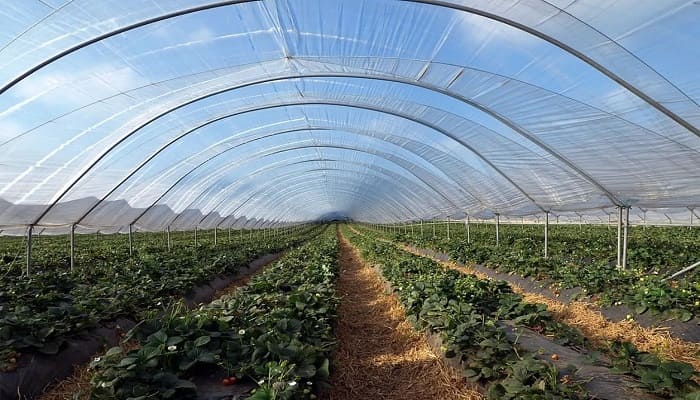
Protective cultivation, also known as protected agriculture or greenhouse farming, refers to the practice of growing plants within enclosed structures or controlled environments to provide protection from adverse weather conditions, pests, diseases, and other environmental factors.
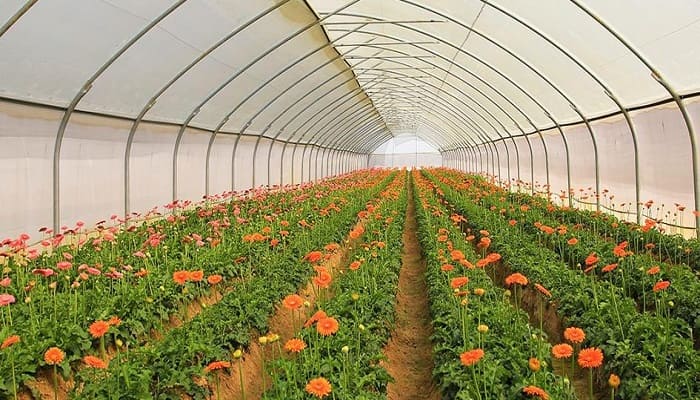
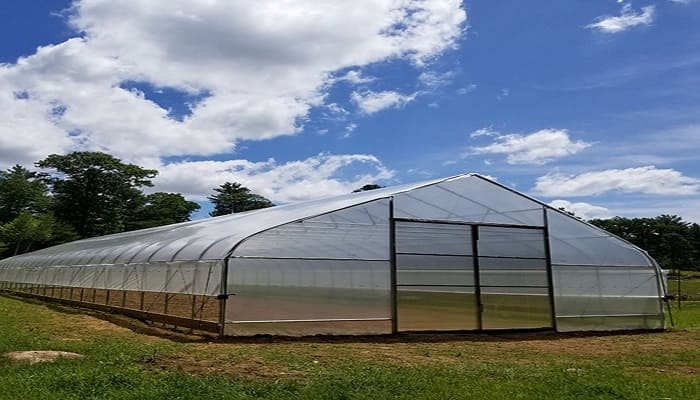
greenhouse, poly house, net house for protective agriculture farming cultivation, agriculture technology home

This method enables farmers to create a more favorable growing environment, extend the growing season, and enhance crop quality and yield. 

Key aspects and benefits of protective cultivation:

  • Farmers commonly use greenhouses as structures for protective cultivation. They typically build them with transparent materials like glass or plastic to create a controlled microclimate for plants. Greenhouses trap heat from the sun to create a warmer environment and shield crops from extreme temperature changes, frost, and strong winds.
  • Farmers extend the growing season beyond the natural limits of the local climate through protective cultivation. By controlling temperature, humidity, and light, they grow crops earlier in the spring or later into the fall. This approach enables year-round production or cultivation in regions with short growing seasons.
  • Farmers use protective cultivation to control environmental factors such as temperature, humidity, and light intensity. By managing these conditions, they optimize the growing environment for specific crops and create an ideal microclimate that promotes healthy plant growth and development.
  • Farmers use enclosed structures to create a physical barrier against pests, insects, and larger animals, which reduces crop damage and lowers the need for chemical pesticides. Additionally, they minimize the spread of diseases by isolating plants from external sources of pathogens through protective cultivation. Read about causes and effect of agricultural pollution
  • Water Management: In protected cultivation, irrigation systems can be optimized to minimize water wastage and ensure efficient water use. Watering can be automated, allowing precise control over the amount and timing of irrigation, which helps conserve water resources.

Other Features

  • Improved Crop Quality and Yield: By creating an optimal growing environment, protective cultivation can enhance crop quality and yield. Farmers control conditions to promote uniform growth, reduce plant stress, prevent yield loss, and achieve higher-quality produce with greater productivity.
  • Protective cultivation allows farmers to grow diverse crops year-round, overcoming local climate limits and seasonal challenges to increase profitability. This diversification can include specialty or high-value crops, non-native plants, or crops that have specific temperature or humidity requirements.
  • Reduced Environmental Impact:  It offers the potential for reduced environmental impact compared to traditional open-field agriculture. By minimizing the use of pesticides, conserving water, and optimizing resource utilization, it can contribute to more sustainable farming practices.
  • Protective cultivation gives farmers control over the environment, improves crop performance, boosts productivity, and reduces risks in various conditions. It has become an important technique in modern agriculture, allowing for efficient and sustainable food production in diverse climates and regions
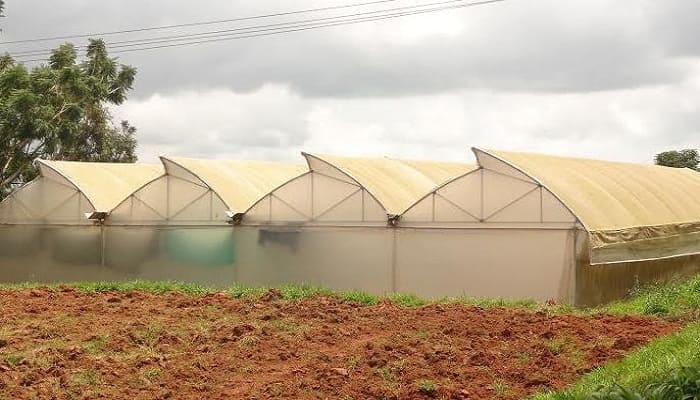
greenhouse, poly house, net house for protective agriculture farming cultivation, agriculture technology home

Similar Posts

  • Key features of our products (drip irrigation system):

    Durability: Ionex Agro Technology’s high-quality drip irrigation products are designed to withstand harsh weather conditions, UV exposure, and regular use without deterioration. They are made from durable materials such as UV-resistant plastics or high-grade metals that can withstand prolonged exposure to water and outdoor elements. Consistent Performance: Our drip irrigation products are reliable which deliver water consistently and uniformly to the plants’ root zones. They have precise flow rates and maintain consistent water pressure, ensuring that each plant receives the necessary amount of water without over- or under-irrigation. Clog Resistance: Clogging can be a common issue in drip irrigation systems due to the presence of particles, debris, or mineral buildup in the water. Our high-quality drip irrigation products incorporate effective filtration systems or built-in self-cleaning…

  • Weather-Based Irrigation Controller

    Weather-Based Irrigation Controller (আবহাওয়া-নির্ভর সেচ নিয়ন্ত্রণকারী) একটি আধুনিক স্মার্ট সেচ নিয়ন্ত্রণ ব্যবস্থা, যা আবহাওয়ার তথ্যের উপর ভিত্তি করে স্বয়ংক্রিয়ভাবে সেচ (irrigation) চালু বা বন্ধ করে। Weather-Based Irrigation Controller কীভাবে কাজ করে? এই কন্ট্রোলার আবহাওয়া সম্পর্কিত তথ্য বিশ্লেষণ করে যেমন: বৃষ্টিপাত হয়েছে কি না বাতাসের গতি তাপমাত্রা আর্দ্রতা সূর্যালোকের পরিমাণ মাটি শুকিয়ে গেছে কি না এগুলো ব্যবহার করে সেচ ব্যবস্থাকে এমনভাবে চালায়, যাতে পানি অপচয় না হয় এবং গাছ প্রয়োজন অনুযায়ী পানি পায়। এটি কোথা থেকে তথ্য সংগ্রহ করে? Weather-based irrigation controller নিচের যেকোনো এক বা একাধিক উৎস থেকে তথ্য নেয়ঃ স্থানীয় আবহাওয়া স্টেশন (Local Weather Station) ইন্টারনেটভিত্তিক আবহাওয়া ডেটা (Internet-based Weather APIs) নিজস্ব সেন্সর সিস্টেম (On-site Sensors)– বৃষ্টি সেন্সর– তাপমাত্রা সেন্সর– Soil Moisture Sensor কিভাবে এটি কাজ করে? (সংক্ষিপ্ত ধাপ) আবহাওয়া ডেটা বিশ্লেষণ করে (যেমন:…

  • DRIP IRRIGATION SYSTEM

    ড্রিপ ইরিগেশান সিষ্টেম কি? ড্রিপ ইরিগেশান সিষ্টেম (Drip Irrigation System) আশানুরুপ ফসল উৎপাদনে গাছের জন্য প্রয়োজনীয় পানি ও পুষ্টি উপাদান যথাযথ মাত্রায় সরবরাহ করার সবচেয়ে কার্যকর পানি সেচ পদ্ধতি। এ পদ্ধতিতে ফোঁটায়, ফোঁটায় পানি সঠিক পরিমাণে ও সঠিক সময়ে ঠিক গাছের গোড়ায় প্রয়োগ করা হয়, ফলে সময়মতো গাছের জন্য প্রয়োজনীয় পানি ও পুষ্টি উপাদান সঠিকভাবে সরবরাহ করা সম্ভব হয়, এতে অধিক ফলন নিশ্চিত করা করা যায়। এই পদ্ধতিতে কৃষক অল্প সময়ে সার, শ্রমিকের মজুরি ও বিদ্যুৎ খরচ কমিয়ে অধিক ফসল উৎপাদনে সক্ষম হয়। ড্রিপ ইরিগেশান সিষ্টেম কিভাবে কাজ করে? পাইপ বা ড্রিপ লাইনে সংযুক্ত ছোট ছোট ড্রিপার নজেলের মাধ্যমে পানি সমস্ত বাগানের গাছের গোড়ায়, গোড়ায় সরবরাহ করা হয়। এক-একটি ড্রিপার সম-পরিমাণ পানি ফোঁটায়, ফোঁটায় সমভাবে বাগানের সব গাছের গোড়ায় প্রয়োগ করার ফলে বাগানের সকল গাছ…

  • সুরক্ষিত পরিবেশে চাষাবাদ

    সুরক্ষিত পরিবেশে চাষাবাদ হলো ফসলের ধরণ ও আঞ্চলিক আবহাওয়ার গতি-প্রকৃতির উপর নির্ভর করে প্রাকৃতিক বায়ুচলাচল বা কৃত্রিম তাপমাত্রা নিয়ন্ত্রয়নের মাধ্যমে করা চাষাবাদ। সুরক্ষিত কাঠামো ফসলের নিয়মিত বৃদ্ধির উপযোগী পরিবেশ নিশ্চিতের পাশাপাশি আকষ্মিক বিরুপ আবহাওয়ার নেতিবাচক প্রভাব হতে রক্ষা করে। সাধারনত এ ধরনের পরিবেশে শাক-সবজি ও ফুলের চাষ করা লাভজনক। সুরক্ষিত পরিবেশে চাষকৃত ফসলের প্রয়োজনীয়তা অনুযায়ী তাপমাত্রা, আর্দ্রতা, আলোর প্রখরতা, সার, কীটনাশক, ও সেচ প্রদান করা যায় এবং এটি রোগ-নিয়ন্ত্রনে সহায়ক ভূমিকা রাখে। সুরক্ষিত পরিবেশে চাষাবাদ করে আমরা অধিক মুনাফা অর্জনের পাশাপাশি বাজার চাহিদা অনুসারে প্রকৃতি ও মৌসুম নির্বিশেষে যেকোন শাক-সবজি ও ফুলের চাষ করা সম্ভব। ভৌগলিক অবস্থান, আবহাওয়ার প্রকৃতি ও ফসল অনুযায়ী অবকাঠামোয় ভিন্নতা রয়েছে। খুব ঠান্ডা অথবা সম্পূর্ণ সুরক্ষিত পরিবেশে যে সকল ফসলের চাষাবাদ করতে হবে সে সকল ফসলের জন্য পলি-হাউজ বা গ্লাস-হাউজ এবং আকষ্মিক…

  • বাংলাদেশের কৃষি খাতে সেচ ব্যবস্থার বর্তমান চিত্র: প্রচলিত ও আধুনিক পদ্ধতির বিশ্লেষণ

    বাংলাদেশ একটি কৃষিনির্ভর দেশ। দেশের মোট কর্মসংস্থানের একটি বড় অংশ ও অর্থনীতির ভিত্তি গঠিত হয়েছে কৃষির উপর। তবে কৃষিতে উৎপাদনশীলতা নির্ভর করে অনেক বিষয়ের উপর—এর মধ্যে সেচ ব্যবস্থা একটি গুরুত্বপূর্ণ ভূমিকা পালন করে। বর্তমান সময়ে কৃষিতে পানি ব্যবহারের দক্ষতা বাড়াতে নানা ধরণের সেচ পদ্ধতি গ্রহণ করা হয়েছে, যার কিছু প্রচলিত আবার কিছু আধুনিক ও প্রযুক্তিনির্ভর। এই ব্লগে আমরা বাংলাদেশের কৃষি খাতে প্রচলিত এবং আধুনিক সেচ পদ্ধতির বিস্তারিত বিশ্লেষণ করব, সাথে থাকবে পরিবেশগত প্রভাব ও ভবিষ্যতের সম্ভাবনার আলোচনাও। 🔍 বাংলাদেশের সেচ ব্যবস্থার সামগ্রিক চিত্র বাংলাদেশে কৃষিকাজের সিংহভাগ এখনও বর্ষা নির্ভর হলেও শুষ্ক মৌসুমে চাষের জন্য সেচ অপরিহার্য। দেশের মোট সেচভুক্ত জমির প্রায় ৮০% এরও বেশি এলাকা গ্রাউন্ডওয়াটার (নলকূপ) নির্ভর, এবং বাকি অংশে পুকুর, খাল বা নদীর পানি ব্যবহৃত হয়। ✅ প্রচলিত সেচ পদ্ধতি ১. সেচ কুপ…

  • ১৬ মিমি এলডিপিই পাইপের বৈশিষ্ট্য ও সুবিধা

    ড্রিপ ইরিগেশন আজকের আধুনিক কৃষিতে এক বিরাট বিপ্লব। এটি সঠিক পরিমাণে পানি সরবরাহ করে পানির অপচয় কমায় এবং ফসলের উৎপাদন বাড়ায়। এই সিস্টেমের মূল উপাদানের মধ্যে অন্যতম হল ১৬ মিমি এলডিপিই (Low-Density Polyethylene) পাইপ। এই পাইপটি কৃষিতে ব্যবহারের জন্য অত্যন্ত উপযোগী, কারণ এটি নমনীয়, টেকসই এবং পরিবেশবান্ধব। এই ব্লগে আমরা ১৬ মিমি এলডিপিই পাইপের গুরুত্বপূর্ণ বৈশিষ্ট্য ও কৃষি ও পরিবেশগত দিক থেকে এর অগণিত সুবিধা নিয়ে বিস্তারিত আলোচনা করব। ১৬ মিমি এলডিপিই পাইপ কী? ১৬ মিমি এলডিপিই পাইপ হলো ড্রিপ ইরিগেশন সিস্টেমের একটি প্রধান উপাদান। এটি নিম্ন ঘনত্বের পলিথিন থেকে তৈরি, যা খুবই নমনীয়, হালকা ও টেকসই। মূলত এটি সঠিকভাবে পানি সরবরাহের জন্য ব্যবহৃত হয়, যেখানে পানি সরাসরি ফসলের শিকড়ে পৌঁছানো হয়। ১৬ মিমি এলডিপিই পাইপের প্রধান বৈশিষ্ট্য ১. নমনীয় ও হালকা ওজন পাইপটি খুব…