PROTECTIVE CULTIVATION

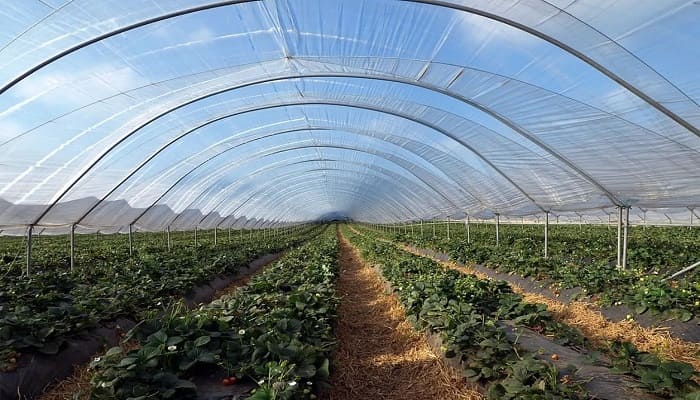
Protective cultivation, also known as protected agriculture or greenhouse farming, refers to the practice of growing plants within enclosed structures or controlled environments to provide protection from adverse weather conditions, pests, diseases, and other environmental factors.
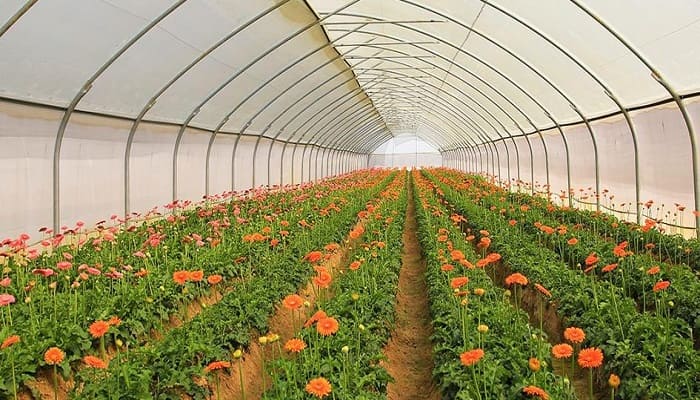
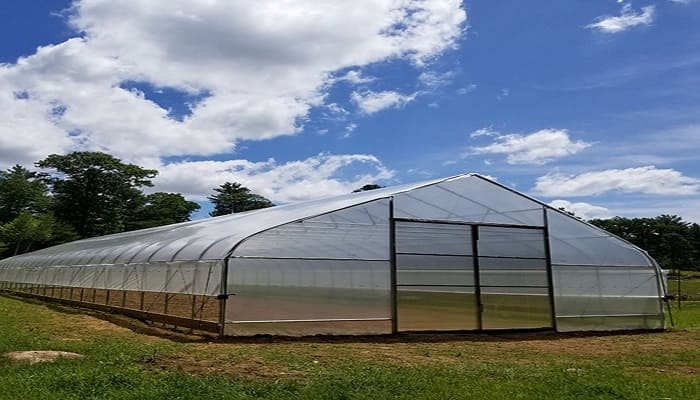
greenhouse, poly house, net house for protective agriculture farming cultivation, agriculture technology home

This method enables farmers to create a more favorable growing environment, extend the growing season, and enhance crop quality and yield. 

Key aspects and benefits of protective cultivation:

  • Farmers commonly use greenhouses as structures for protective cultivation. They typically build them with transparent materials like glass or plastic to create a controlled microclimate for plants. Greenhouses trap heat from the sun to create a warmer environment and shield crops from extreme temperature changes, frost, and strong winds.
  • Farmers extend the growing season beyond the natural limits of the local climate through protective cultivation. By controlling temperature, humidity, and light, they grow crops earlier in the spring or later into the fall. This approach enables year-round production or cultivation in regions with short growing seasons.
  • Farmers use protective cultivation to control environmental factors such as temperature, humidity, and light intensity. By managing these conditions, they optimize the growing environment for specific crops and create an ideal microclimate that promotes healthy plant growth and development.
  • Farmers use enclosed structures to create a physical barrier against pests, insects, and larger animals, which reduces crop damage and lowers the need for chemical pesticides. Additionally, they minimize the spread of diseases by isolating plants from external sources of pathogens through protective cultivation. Read about causes and effect of agricultural pollution. 
  • Water Management: In protected cultivation, irrigation systems can be optimized to minimize water wastage and ensure efficient water use. Watering can be automated, allowing precise control over the amount and timing of irrigation, which helps conserve water resources.

Other Features

  • Improved Crop Quality and Yield: By creating an optimal growing environment, protective cultivation can enhance crop quality and yield. Farmers control conditions to promote uniform growth, reduce plant stress, prevent yield loss, and achieve higher-quality produce with greater productivity.
  • Protective cultivation allows farmers to grow diverse crops year-round, overcoming local climate limits and seasonal challenges to increase profitability. This diversification can include specialty or high-value crops, non-native plants, or crops that have specific temperature or humidity requirements.
  • Reduced Environmental Impact:  It offers the potential for reduced environmental impact compared to traditional open-field agriculture. By minimizing the use of pesticides, conserving water, and optimizing resource utilization, it can contribute to more sustainable farming practices.
  • Protective cultivation gives farmers control over the environment, improves crop performance, boosts productivity, and reduces risks in various conditions. It has become an important technique in modern agriculture, allowing for efficient and sustainable food production in diverse climates and regions
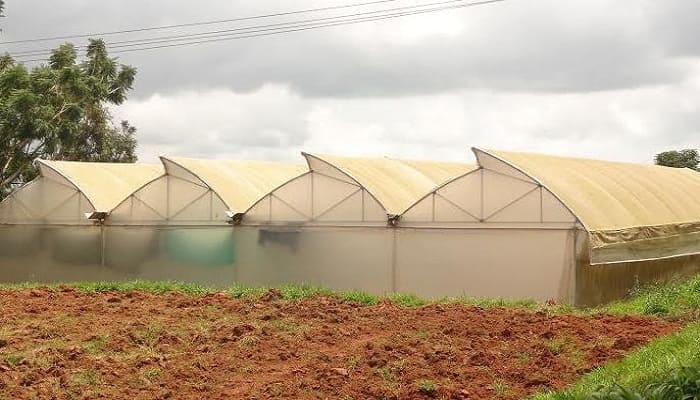
greenhouse, poly house, net house for protective agriculture farming cultivation, agriculture technology home

Similar Posts

  • 16mm LDPE Pipe for Drip Irrigation Systems.

    Features and Benefits of 16mm LDPE Pipe: Drip irrigation has revolutionized modern farming by offering an efficient, water-saving solution tailored to the precise needs of crops. At the heart of many drip irrigation setups lies the 16mm LDPE (Low-Density Polyethylene) pipe, a versatile and durable component essential for optimal water delivery. In this blog post, we will explore the key features and wide-ranging benefits of using 16mm LDPE pipes for drip irrigation — highlighting how they positively impact agriculture productivity and environmental sustainability. What is 16mm LDPE Pipe? The 16mm LDPE pipe is a flexible, lightweight tubing commonly used as the main distribution line or lateral line in drip irrigation systems. Made from low-density polyethylene, this pipe offers excellent resistance to UV rays, chemicals, and…

  • Key features of our products (drip irrigation system):

    Durability: Ionex Agro Technology’s high-quality drip irrigation products are designed to withstand harsh weather conditions, UV exposure, and regular use without deterioration. They are made from durable materials such as UV-resistant plastics or high-grade metals that can withstand prolonged exposure to water and outdoor elements. Consistent Performance: Our drip irrigation products are reliable which deliver water consistently and uniformly to the plants’ root zones. They have precise flow rates and maintain consistent water pressure, ensuring that each plant receives the necessary amount of water without over- or under-irrigation. Clog Resistance: Clogging can be a common issue in drip irrigation systems due to the presence of particles, debris, or mineral buildup in the water. Our high-quality drip irrigation products incorporate effective filtration systems or built-in self-cleaning…

  • SPRINKLER IRRIGATION SYSTEM

    āĻ¸ā§āĻĒā§āϰāĻŋāĻ‚āϞāĻžāϰ āχāϰāĻŋāϗ⧇āĻļāĻžāύ āϏāĻŋāĻˇā§āĻŸā§‡āĻŽ āĻ•ā§ƒāώāĻŋ āϜāĻŽāĻŋ āĻŦāĻž āĻŦāĻžāĻ—āĻžāύ⧇ āĻĒāĻžāύāĻŋ āϏ⧇āϚ āĻĻ⧇āĻ“ā§ŸāĻžāϰ āĻāĻ•āϟāĻŋ āφāϧ⧁āύāĻŋāĻ• āĻĒāĻĻā§āϧāϤāĻŋāĨ¤ āĻ āĻĒāĻĻā§āϧāϤāĻŋāϤ⧇ āϜāĻŽāĻŋ āĻŦāĻž āĻŦāĻžāĻ—āĻžāύ⧇ āĻĒā§āϰāĻžāĻ•ā§ƒāϤāĻŋāĻ• āĻŦ⧃āĻˇā§āϟāĻŋāϰ āĻŽāϤ⧋ āĻĒāĻžāύāĻŋ āĻ›āĻŋāϟāĻŋā§Ÿā§‡ āϏ⧇āϚ āĻĻ⧇āĻ“ā§ŸāĻž āĻšā§ŸāĨ¤ āĻŦ⧈āĻĻā§āϝ⧁āϤāĻŋāĻ•/ āĻĄāĻŋāĻœā§‡āϞ/ āϏ⧋āϞāĻžāϰ āϚāĻžāϞāĻŋāϤ āĻĒāĻžāύāĻŋāϰ āĻĒāĻžāĻŽā§āĻĒ⧇āϰ āϏāĻžāĻšāĻžāĻ¯ā§āϝ⧇ āĻĒāĻžāχāĻĒ āϞāĻžāχāύ⧇āϰ āĻŽāĻžāĻ§ā§āϝāĻŽā§‡ āĻāĻ•āϟāĻŋ āύāĻŋāĻ°ā§āĻĻāĻŋāĻˇā§āϟ āĻĒā§āϰ⧇āĻļāĻžāϰ⧇ āĻĒāĻžāύāĻŋ āĻĒā§āϰāĻŦāĻžāĻšāĻŋāϤ āĻ•āϰāĻž āĻšāϞ⧇ āĻ¸ā§āĻĒā§āϰāĻŋāĻ‚āϞāĻžāϰ āĻšā§‡āĻĄ āĻĒāĻžāύāĻŋāϰ āĻĒā§āϰ⧇āĻļāĻžāϰ⧇ āϘ⧁āϰāϤ⧇ āĻĨāĻžāϕ⧇ āĻāĻŦāĻ‚ āĻ•ā§āώ⧁āĻĻā§āϰāĻžāĻ•āĻžāϰ āĻĢā§‹āϟāĻžā§Ÿ āĻŦ⧃āĻˇā§āϟāĻŋāϰ āĻŽāϤ⧋ āĻĒāĻžāύāĻŋ āĻ›āĻŋāϟāĻŋā§Ÿā§‡ āϏ⧇āϚ āĻĻāĻŋā§Ÿā§‡ āĻĨāĻžāϕ⧇āĨ¤ āĻĒāĻžāύāĻŋāϰ āĻĒāĻžāĻŽā§āĻĒ, āĻĒāĻžāχāĻĒāĻŋāĻ‚ āϏāĻŋāĻˇā§āĻŸā§‡āĻŽ āĻ“ āĻ¸ā§āĻĒā§āϰāĻŋāĻ‚āϞāĻžāϰ⧇āϰ āĻ…āĻŦāĻ¸ā§āĻĨāĻžāύ āĻāĻŽāύāĻ­āĻžāĻŦ⧇ āĻĄāĻŋāϜāĻžāχāύ āĻ•āϰāϤ⧇ āĻšā§Ÿ āϝ⧇āύ āϏ⧇āĻšā§‡āϰ āĻĒāĻžāύāĻŋ āϜāĻŽāĻŋ āĻŦāĻž āĻŦāĻžāĻ—āĻžāύ⧇āϰ āϏāĻ•āϞ āĻ—āĻžāϛ⧇ āϏāĻŽāĻžāύāĻ­āĻžāĻŦ⧇ āĻĒ⧌āρāϛ⧁āϤ⧇ āĻĒāĻžāϰ⧇āĨ¤

  • āϏ⧁āϰāĻ•ā§āώāĻŋāϤ āĻĒāϰāĻŋāĻŦ⧇āĻļ⧇ āϚāĻžāώāĻžāĻŦāĻžāĻĻ

    āϏ⧁āϰāĻ•ā§āώāĻŋāϤ āĻĒāϰāĻŋāĻŦ⧇āĻļ⧇ āϚāĻžāώāĻžāĻŦāĻžāĻĻ āĻšāϞ⧋ āĻĢāϏāϞ⧇āϰ āϧāϰāĻŖ āĻ“ āφāĻžā§āϚāϞāĻŋāĻ• āφāĻŦāĻšāĻžāĻ“ā§ŸāĻžāϰ āĻ—āϤāĻŋ-āĻĒā§āϰāĻ•ā§ƒāϤāĻŋāϰ āωāĻĒāϰ āύāĻŋāĻ°ā§āĻ­āϰ āĻ•āϰ⧇ āĻĒā§āϰāĻžāĻ•ā§ƒāϤāĻŋāĻ• āĻŦāĻžā§Ÿā§āϚāϞāĻžāϚāϞ āĻŦāĻž āĻ•ā§ƒāĻ¤ā§āϰāĻŋāĻŽ āϤāĻžāĻĒāĻŽāĻžāĻ¤ā§āϰāĻž āύāĻŋ⧟āĻ¨ā§āĻ¤ā§āϰ⧟āύ⧇āϰ āĻŽāĻžāĻ§ā§āϝāĻŽā§‡ āĻ•āϰāĻž āϚāĻžāώāĻžāĻŦāĻžāĻĻāĨ¤ āϏ⧁āϰāĻ•ā§āώāĻŋāϤ āĻ•āĻžāĻ āĻžāĻŽā§‹ āĻĢāϏāϞ⧇āϰ āύāĻŋ⧟āĻŽāĻŋāϤ āĻŦ⧃āĻĻā§āϧāĻŋāϰ āωāĻĒāϝ⧋āĻ—ā§€ āĻĒāϰāĻŋāĻŦ⧇āĻļ āύāĻŋāĻļā§āϚāĻŋāϤ⧇āϰ āĻĒāĻžāĻļāĻžāĻĒāĻžāĻļāĻŋ āφāĻ•āĻˇā§āĻŽāĻŋāĻ• āĻŦāĻŋāϰ⧁āĻĒ āφāĻŦāĻšāĻžāĻ“ā§ŸāĻžāϰ āύ⧇āϤāĻŋāĻŦāĻžāϚāĻ• āĻĒā§āϰāĻ­āĻžāĻŦ āĻšāϤ⧇ āϰāĻ•ā§āώāĻž āĻ•āϰ⧇āĨ¤ āϏāĻžāϧāĻžāϰāύāϤ āĻ āϧāϰāύ⧇āϰ āĻĒāϰāĻŋāĻŦ⧇āĻļ⧇ āĻļāĻžāĻ•-āϏāĻŦāϜāĻŋ āĻ“ āĻĢ⧁āϞ⧇āϰ āϚāĻžāώ āĻ•āϰāĻž āϞāĻžāĻ­āϜāύāĻ•āĨ¤ āϏ⧁āϰāĻ•ā§āώāĻŋāϤ āĻĒāϰāĻŋāĻŦ⧇āĻļ⧇ āϚāĻžāώāĻ•ā§ƒāϤ āĻĢāϏāϞ⧇āϰ āĻĒā§āĻ°ā§Ÿā§‹āϜāĻ¨ā§€ā§ŸāϤāĻž āĻ…āύ⧁āϝāĻžā§Ÿā§€ āϤāĻžāĻĒāĻŽāĻžāĻ¤ā§āϰāĻž, āφāĻ°ā§āĻĻā§āϰāϤāĻž, āφāϞ⧋āϰ āĻĒā§āϰāĻ–āϰāϤāĻž, āϏāĻžāϰ, āϕ⧀āϟāύāĻžāĻļāĻ•, āĻ“ āϏ⧇āϚ āĻĒā§āϰāĻĻāĻžāύ āĻ•āϰāĻž āϝāĻžā§Ÿ āĻāĻŦāĻ‚ āĻāϟāĻŋ āϰ⧋āĻ—-āύāĻŋ⧟āĻ¨ā§āĻ¤ā§āϰāύ⧇ āϏāĻšāĻžā§ŸāĻ• āĻ­ā§‚āĻŽāĻŋāĻ•āĻž āϰāĻžāϖ⧇āĨ¤ āϏ⧁āϰāĻ•ā§āώāĻŋāϤ āĻĒāϰāĻŋāĻŦ⧇āĻļ⧇ āϚāĻžāώāĻžāĻŦāĻžāĻĻ āĻ•āϰ⧇ āφāĻŽāϰāĻž āĻ…āϧāĻŋāĻ• āĻŽā§āύāĻžāĻĢāĻž āĻ…āĻ°ā§āϜāύ⧇āϰ āĻĒāĻžāĻļāĻžāĻĒāĻžāĻļāĻŋ āĻŦāĻžāϜāĻžāϰ āϚāĻžāĻšāĻŋāĻĻāĻž āĻ…āύ⧁āϏāĻžāϰ⧇ āĻĒā§āϰāĻ•ā§ƒāϤāĻŋ āĻ“ āĻŽā§ŒāϏ⧁āĻŽ āύāĻŋāĻ°ā§āĻŦāĻŋāĻļ⧇āώ⧇ āϝ⧇āϕ⧋āύ āĻļāĻžāĻ•-āϏāĻŦāϜāĻŋ āĻ“ āĻĢ⧁āϞ⧇āϰ āϚāĻžāώ āĻ•āϰāĻž āϏāĻŽā§āĻ­āĻŦāĨ¤ āϭ⧌āĻ—āϞāĻŋāĻ• āĻ…āĻŦāĻ¸ā§āĻĨāĻžāύ, āφāĻŦāĻšāĻžāĻ“ā§ŸāĻžāϰ āĻĒā§āϰāĻ•ā§ƒāϤāĻŋ āĻ“ āĻĢāϏāϞ āĻ…āύ⧁āϝāĻžā§Ÿā§€ āĻ…āĻŦāĻ•āĻžāĻ āĻžāĻŽā§‹ā§Ÿ āĻ­āĻŋāĻ¨ā§āύāϤāĻž āĻ°ā§Ÿā§‡āϛ⧇āĨ¤ āϖ⧁āĻŦ āĻ āĻžāĻ¨ā§āĻĄāĻž āĻ…āĻĨāĻŦāĻž āϏāĻŽā§āĻĒā§‚āĻ°ā§āĻŖ āϏ⧁āϰāĻ•ā§āώāĻŋāϤ āĻĒāϰāĻŋāĻŦ⧇āĻļ⧇ āϝ⧇ āϏāĻ•āϞ āĻĢāϏāϞ⧇āϰ āϚāĻžāώāĻžāĻŦāĻžāĻĻ āĻ•āϰāϤ⧇ āĻšāĻŦ⧇ āϏ⧇ āϏāĻ•āϞ āĻĢāϏāϞ⧇āϰ āϜāĻ¨ā§āϝ āĻĒāϞāĻŋ-āĻšāĻžāωāϜ āĻŦāĻžÂ āĻ—ā§āϞāĻžāϏ-āĻšāĻžāωāϜ āĻāĻŦāĻ‚ āφāĻ•āĻˇā§āĻŽāĻŋāĻ•…

  • Sprinkler Irrigation ‍ System

    Sprinkler irrigation is a popular method of watering crops and lawns. It involves sprinkler heads attached to a network of pipes, which spray water evenly. The heads can be programmed to operate automatically, saving manual effort, and reducing water usage by up to 50%. The flexibility of the system allows for adjustments based on changing weather conditions. However, installation and maintenance costs can be high and vary depending on the size of the area irrigated.