PROTECTIVE CULTIVATION

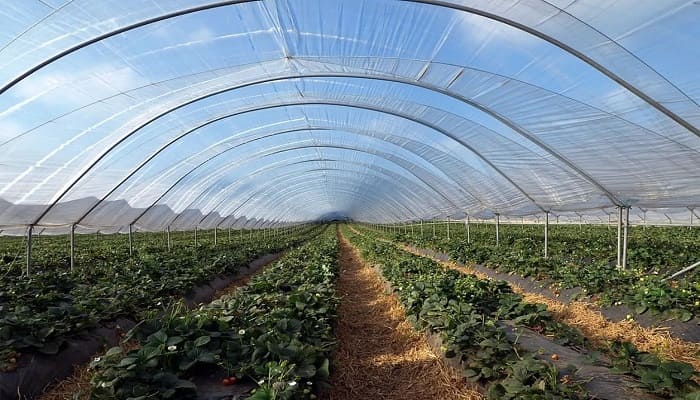
Protective cultivation, also known as protected agriculture or greenhouse farming, refers to the practice of growing plants within enclosed structures or controlled environments to provide protection from adverse weather conditions, pests, diseases, and other environmental factors.
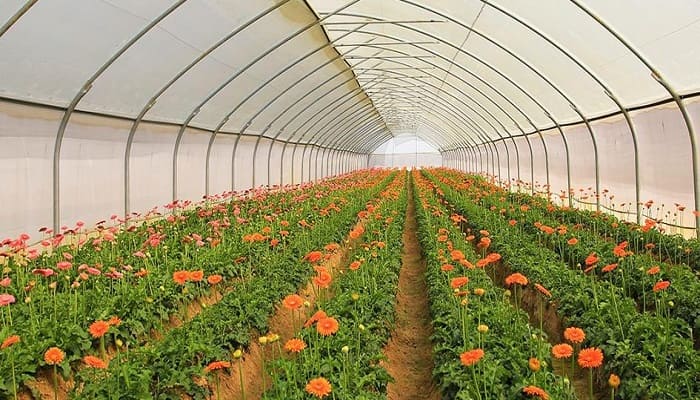
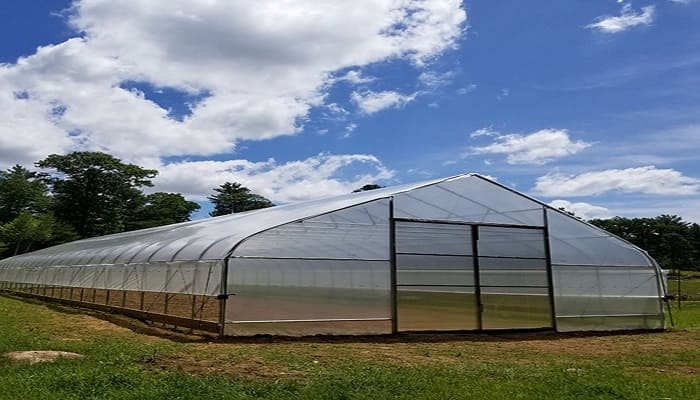
greenhouse, poly house, net house for protective agriculture farming cultivation, agriculture technology home

This method enables farmers to create a more favorable growing environment, extend the growing season, and enhance crop quality and yield. 

Key aspects and benefits of protective cultivation:

  • Farmers commonly use greenhouses as structures for protective cultivation. They typically build them with transparent materials like glass or plastic to create a controlled microclimate for plants. Greenhouses trap heat from the sun to create a warmer environment and shield crops from extreme temperature changes, frost, and strong winds.
  • Farmers extend the growing season beyond the natural limits of the local climate through protective cultivation. By controlling temperature, humidity, and light, they grow crops earlier in the spring or later into the fall. This approach enables year-round production or cultivation in regions with short growing seasons.
  • Farmers use protective cultivation to control environmental factors such as temperature, humidity, and light intensity. By managing these conditions, they optimize the growing environment for specific crops and create an ideal microclimate that promotes healthy plant growth and development.
  • Farmers use enclosed structures to create a physical barrier against pests, insects, and larger animals, which reduces crop damage and lowers the need for chemical pesticides. Additionally, they minimize the spread of diseases by isolating plants from external sources of pathogens through protective cultivation. Read about causes and effect of agricultural pollution
  • Water Management: In protected cultivation, irrigation systems can be optimized to minimize water wastage and ensure efficient water use. Watering can be automated, allowing precise control over the amount and timing of irrigation, which helps conserve water resources.

Other Features

  • Improved Crop Quality and Yield: By creating an optimal growing environment, protective cultivation can enhance crop quality and yield. Farmers control conditions to promote uniform growth, reduce plant stress, prevent yield loss, and achieve higher-quality produce with greater productivity.
  • Protective cultivation allows farmers to grow diverse crops year-round, overcoming local climate limits and seasonal challenges to increase profitability. This diversification can include specialty or high-value crops, non-native plants, or crops that have specific temperature or humidity requirements.
  • Reduced Environmental Impact:  It offers the potential for reduced environmental impact compared to traditional open-field agriculture. By minimizing the use of pesticides, conserving water, and optimizing resource utilization, it can contribute to more sustainable farming practices.
  • Protective cultivation gives farmers control over the environment, improves crop performance, boosts productivity, and reduces risks in various conditions. It has become an important technique in modern agriculture, allowing for efficient and sustainable food production in diverse climates and regions
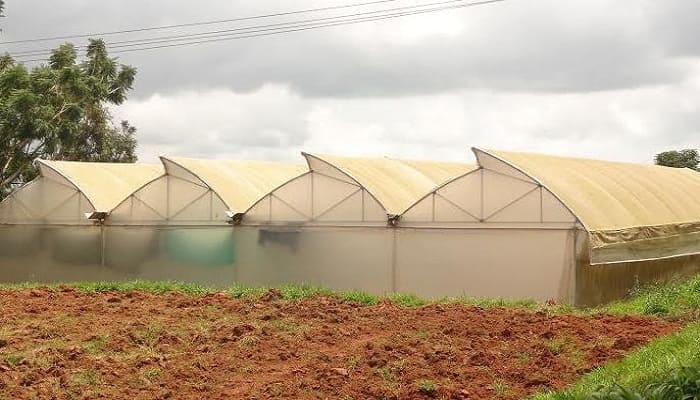
greenhouse, poly house, net house for protective agriculture farming cultivation, agriculture technology home

Similar Posts

  • Sprinkler Irrigation ‍ System

    Sprinkler irrigation is a popular method of watering crops and lawns. It involves sprinkler heads attached to a network of pipes, which spray water evenly. The heads can be programmed to operate automatically, saving manual effort, and reducing water usage by up to 50%. The flexibility of the system allows for adjustments based on changing weather conditions. However, installation and maintenance costs can be high and vary depending on the size of the area irrigated.

  • আধুনিক সেচ ব্যবস্থার অর্থনৈতিক প্রভাব

    বাংলাদেশের কৃষি খাত দেশের অর্থনীতির অন্যতম প্রধান ভিত্তি। এই খাতে আধুনিক সেচ ব্যবস্থার প্রবর্তন কৃষির উৎপাদনশীলতা, কৃষকের আয় এবং জাতীয় অর্থনীতিতে বিস্তৃত প্রভাব ফেলছে। আগে যেখানে কৃষি ছিল ঋতু ও বৃষ্টিনির্ভর, এখন সেখানে  ড্রিপ, স্প্রিংকলার ও স্মার্ট সেচ প্রযুক্তি smart irrigation in agriculture এনে দিয়েছে দক্ষতা, সময় সাশ্রয় এবং অধিক ফসল উৎপাদনের সুযোগ।  এই ব্লগ পোস্টে আলোচনা করা হবে আধুনিক সেচ ব্যবস্থার অর্থনৈতিক প্রভাব, বাংলাদেশের কৃষি খাতে আধুনিক সেচ প্রযুক্তির আর্থ-সামাজিক প্রভাব sustainable farming in Bangladesh, কর্মসংস্থান, উৎপাদন বৃদ্ধি, পরিবেশ সংরক্ষণ এবং রপ্তানি সক্ষমতার দিকগুলো। 🔍 আধুনিক সেচ ব্যবস্থা কী? আধুনিক সেচ বলতে বোঝায় এমন সেচ পদ্ধতি যেখানে পানির অপচয় কম, পানি নির্দিষ্টভাবে গাছের শিকড়ে পৌঁছে, এবং অটোমেশন ব্যবস্থার মাধ্যমে নিয়ন্ত্রণ করা যায়। কৃষি ও পরিবেশ বান্ধব প্রযুক্তি যেমন: ড্রিপ ইরিগেশন (ফোঁটা ফোঁটা পানি) – drip irrigation…

  • হাইড্রোপনিক্স চাষ পদ্ধতি

    হাইড্রোপনিক্স কী? হাইড্রোপনিক্স (Hydroponics) হলো একটি আধুনিক উদ্যানতাত্ত্বিক চাষ পদ্ধতি, যা হাইড্রোকালচারের একটি উপশ্রেণি। এই পদ্ধতিতে মাটি ছাড়া কৃত্রিম পরিবেশে পানি-ভিত্তিক পুষ্টিসমৃদ্ধ দ্রবণের মাধ্যমে ফসল, সবজি বা ঔষধি গাছ চাষ করা হয়। এখানে গাছের শিকড় সরাসরি পুষ্টিসমৃদ্ধ তরলে ডুবে থাকে অথবা পার্লাইট, গ্র্যাভেল (পাথরের দানা) বা অন্য কোনো নিরপেক্ষ মিডিয়ার মাধ্যমে শিকড়কে স্থিরভাবে ধরে রাখা হয়। এই পদ্ধতিতে গাছের শিকড় সহজে পুষ্টি গ্রহণ করতে পারে, ফলে গাছ দ্রুত বড় হয়, রোগবালাই কম হয় এবং ফসল উৎপাদন বেড়ে যায়। এক কথায়, হাইড্রোপনিক্স চাষ পদ্ধতি হলো মাটি ছাড়াই পানির মাধ্যমে উদ্ভিদ চাষের একটি আধুনিক পদ্ধতি। এই পদ্ধতিতে উদ্ভিদের শিকড়ে সরাসরি পুষ্টি উপাদান পৌঁছে দেওয়া হয়। এতে ফসল দ্রুত বৃদ্ধি পায়, রোগ-বালাই কম হয় এবং কম জায়গায় বেশি উৎপাদন সম্ভব হয়। হাইড্রোপনিক্স চাষের ধাপসমূহ ১. পরিকল্পনা ও স্থান…

  • 16mm LDPE Pipe for Drip Irrigation Systems.

    Features and Benefits of 16mm LDPE Pipe: Drip irrigation has revolutionized modern farming by offering an efficient, water-saving solution tailored to the precise needs of crops. At the heart of many drip irrigation setups lies the 16mm LDPE (Low-Density Polyethylene) pipe, a versatile and durable component essential for optimal water delivery. In this blog post, we will explore the key features and wide-ranging benefits of using 16mm LDPE pipes for drip irrigation — highlighting how they positively impact agriculture productivity and environmental sustainability. What is 16mm LDPE Pipe? The 16mm LDPE pipe is a flexible, lightweight tubing commonly used as the main distribution line or lateral line in drip irrigation systems. Made from low-density polyethylene, this pipe offers excellent resistance to UV rays, chemicals, and…

  • বর্ষা মৌসুমে আধুনিক সেচ ব্যবস্থার প্রস্তুতি কেমন হওয়া উচিত?

    বাংলাদেশে বর্ষা মৌসুম মানেই অতিবৃষ্টি, জলাবদ্ধতা এবং অনেক ক্ষেত্রেই ফসল নষ্ট হওয়ার ভয়। তবে একদিকে যেমন অতিরিক্ত বৃষ্টি সমস্যা সৃষ্টি করে, তেমনি এই সময়টাই সঠিক পরিকল্পনার মাধ্যমে আধুনিক সেচ ব্যবস্থার প্রস্তুতি নেওয়ার উপযুক্ত সময়। বিশেষ করে ড্রিপ ও স্প্রিংকলার সিস্টেমের সঠিক রক্ষণাবেক্ষণ এবং ইনস্টলেশন বর্ষার পরবর্তী চাষের জন্য অত্যন্ত জরুরি। এই ব্লগে আমরা আলোচনা করব—বর্ষা মৌসুমে একজন কৃষক কীভাবে আধুনিক সেচ ব্যবস্থার প্রস্তুতি নেবেন, যাতে সেচ ব্যবস্থাটি টেকসই হয়, পানি অপচয় কম হয় এবং পরবর্তী চাষাবাদে সর্বোচ্চ উৎপাদন পাওয়া যায়। ✅ আধুনিক সেচ ব্যবস্থার ধরনসমূহ (সংক্ষেপে) ড্রিপ ইরিগেশন: পানি ফোঁটা ফোঁটা করে সরাসরি গাছের শিকড়ে পৌঁছায়। স্প্রিংকলার ইরিগেশন: বৃষ্টির মতো পানি ছিটিয়ে দেয়। মাইক্রো ইরিগেশন/ফগার সিস্টেম: সূক্ষ্ম জলকণা ছিটিয়ে দেয়, সাধারণত সবজি ও গ্রীনহাউস চাষে ব্যবহার হয়। স্মার্ট ইরিগেশন সিস্টেম: সেন্সর ও টাইমার দ্বারা নিয়ন্ত্রিত…

  • Key features of our products (sprinkler irrigation system):

    Durability: Ionex Agro Technology’s high-quality sprinkler irrigation products are built to withstand outdoor conditions and regular use. They are made from durable materials such as corrosion-resistant metals or UV-stabilized plastics that can endure exposure to sun, rain, and other environmental elements without degrading or malfunctioning. Precise Water Distribution: Our sprinkler irrigation products are reliable, provide precise and uniform water distribution across the desired area. They have well-designed nozzles or heads that ensure consistent spray patterns and coverage, minimizing dry spots or excessive water runoff. Adjustable Features: Our high-quality sprinkler irrigation products often offer adjustable features to accommodate different watering needs. These features may include adjustable spray patterns, flow rates, and throw distances, allowing users to customize the irrigation system to suit specific plant types or…