Showing all 14 resultsSorted by price: low to high
-
Sale!
৳ 40.00 Original price was: ৳ 40.00.৳ 30.00Current price is: ৳ 30.00.
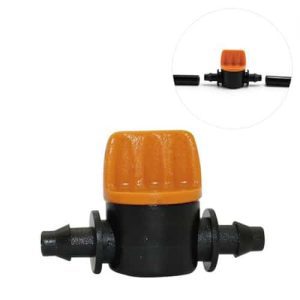
- Material: Plastic, PP
- Connection size: PE pipe, 4/7 capillary
- Color: Orange
- Working pressure: 2.0-kg
- Suitable for 4/7 mm Microtube
-
Sale!
৳ 80.00 Original price was: ৳ 80.00.৳ 60.00Current price is: ৳ 60.00.
- Material: Plastic, PP
- Connection size: PE pipe, 4/7 capillary
- Color: Orange
- Working pressure: 2.0-kg
- Suitable for 4/7 mm Microtube
-
Sale!
Rated 5.00 out of 5
৳ 120.00 Original price was: ৳ 120.00.৳ 100.00Current price is: ৳ 100.00.
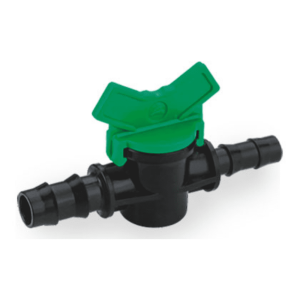
- Diameter: 16mm
- Material: PE, Plastic
- Barb-lock valve is used to connect drip irrigation tape and drip irrigation pipe
- Quick & Easy Installation & Removal
- High Quality Plastic with Maximum UV Protection
- Adjustable valve used to control water flow.
-
Sale!
৳ 120.00 Original price was: ৳ 120.00.৳ 100.00Current price is: ৳ 100.00.
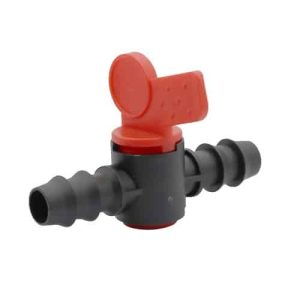
- Diameter: 16mm
- Material: PE, Plastic
- Barb-lock valve is used to connect drip irrigation tape and drip irrigation pipe
- Quick & Easy Installation & Removal
- High Quality Plastic with Maximum UV Protection
- Adjustable valve used to control water flow.
-
Sale!
৳ 130.00 Original price was: ৳ 130.00.৳ 100.00Current price is: ৳ 100.00.
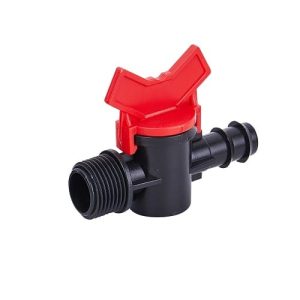
- Mini Control Valve Water Hose and Tap Quick Connector
- This ball valve is widely used in horticulture irrigation, balcony gardening, garden irrigation, Car washing, garden irrigation and other places.
- Plastic two-way valve, faucet adapter, resolved in the garden, a separate water pipe, split into two-way problem.
- There is a valve to control the rotation sidestep for each ball reaches 180 degrees, just to pause or stop water flow in the hose.
- Water inlet is 3/4 female thread connector, two water outlets are 16mm size.
-
Sale!
৳ 125.00 Original price was: ৳ 125.00.৳ 100.00Current price is: ৳ 100.00.
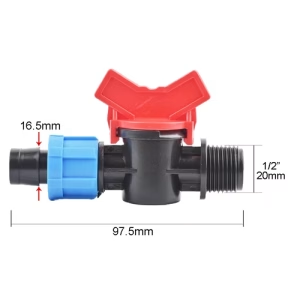
- Inlet connection size: 1/2″ Male Thread
- Outlet connection size: 16mm
- Materials: PP
- Easy to connect and disconnect
- Made of high-quality material
- Resistant to UV rays
- Used for connecting 16mm drip tape to 1/2″ thread pipe
- 1/2″ Male Thread to 16mm Outlet Straight Drip Tape Offtake Valve
-
Sale!
৳ 135.00 Original price was: ৳ 135.00.৳ 110.00Current price is: ৳ 110.00.
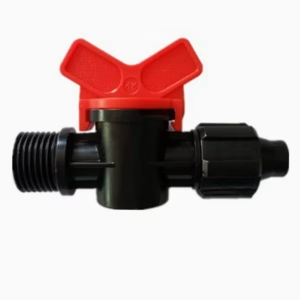
- Inlet connection size: 1/2″ Male Thread
- Outlet connection size: 16mm
- Materials: PP
- Easy to connect and disconnect
- Made of high-quality material
- Resistant to UV rays
- Used for connecting 16mm drip tape to 1/2″ thread pipe
- 1/2″ Male Thread to 16mm Outlet Straight Drip Tape Offtake Valve
-
Sale!
৳ 140.00 Original price was: ৳ 140.00.৳ 120.00Current price is: ৳ 120.00.
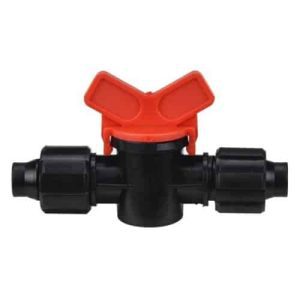
- Connection Size: 16mm
- Material: Plastic, PP
- Can be used a long time.
- Prevents leakage – just push the pipe onto the barb
- The drip irrigation pipe bypass valve can be adjusted very firmly without leakage.
- 16mm Thread Locking Valve is Easy to operate
-
Sale!
৳ 150.00 Original price was: ৳ 150.00.৳ 120.00Current price is: ৳ 120.00.
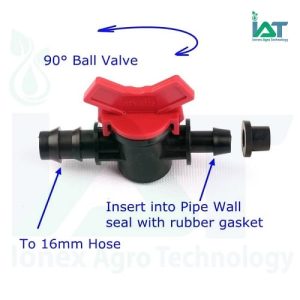
- Diameter: 16mm
- Material: PE, Plastic
- Bypass Barb-lock valve with rubber washer grommet takeoff is used to connect drip irrigation tape and drip irrigation pipe with main water line.
- Quick & Easy Installation & Removal
-
Sale!
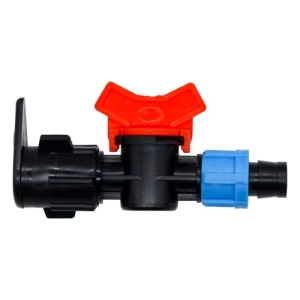
৳ 145.00 Original price was: ৳ 145.00.৳ 120.00Current price is: ৳ 120.00.
- Product name: Offtake Valve for Lay Flat Hose
- Size: 16mm
- Material: Plastic
- Working pressure: 1-4 bar
- Quick & Easy Installation and Removal
- Used to connect drip tape and drip pipe with pipe or hose
-
Sale!
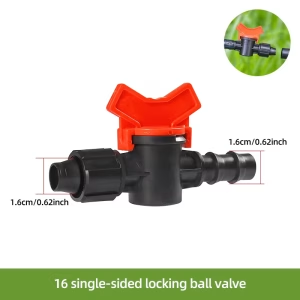
৳ 140.00 Original price was: ৳ 140.00.৳ 120.00Current price is: ৳ 120.00.
- Connection Size: 16mm
- Material: Plastic, PP
- Can be used a long time.
- Prevents leakage – just push the pipe onto the barb
- The drip irrigation pipe bypass valve can be adjusted very firmly without leakage.
- 16mm Single Locking Valve is Easy to operate
-
Sale!
Rated 5.00 out of 5
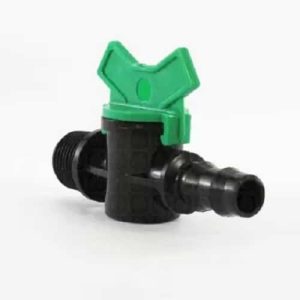
৳ 160.00 Original price was: ৳ 160.00.৳ 130.00Current price is: ৳ 130.00.
- Mini Control Valve Water Hose and Tap Quick Connector
- This ball valve is widely used in horticulture irrigation, balcony gardening, garden irrigation, Car washing, garden irrigation and other places.
- Plastic two-way valve, faucet adapter, resolved in the garden, a separate water pipe, split into two-way problem.
- There is a valve to control the rotation sidestep for each ball reaches 180 degrees, just to pause or stop water flow in the hose.
- Water inlet is 3/4 female thread connector, two water outlets are 16mm size.
-
Sale!
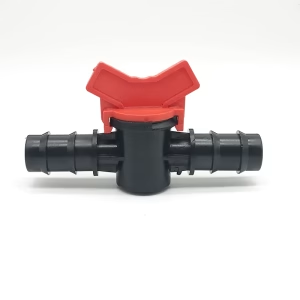
৳ 165.00 Original price was: ৳ 165.00.৳ 150.00Current price is: ৳ 150.00.
- Diameter: 25mm – 25mm barbed
- Material: PE, Plastic
- Valve Type: Flow control valve
- Barb-lock valve is used to connect irrigation hose pipe
- Quick & Easy Installation & Removal
- High Quality Plastic with Maximum UV Protection
-
Sale!
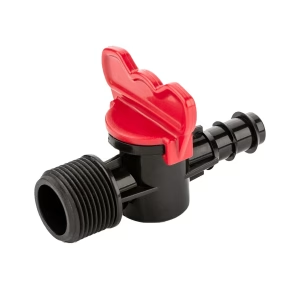
৳ 185.00 Original price was: ৳ 185.00.৳ 160.00Current price is: ৳ 160.00.
- Diameter: 25mm – 3/4 inch male threaded
- Material: PE, Plastic
- Valve Type: Reducer valve (3/4 inch threaded to 25mm barbed)
- Barb-lock valve is used to connect thread pipe to irrigation hose pipe
- Quick & Easy Installation & Removal
- High Quality Plastic with Maximum UV Protection